
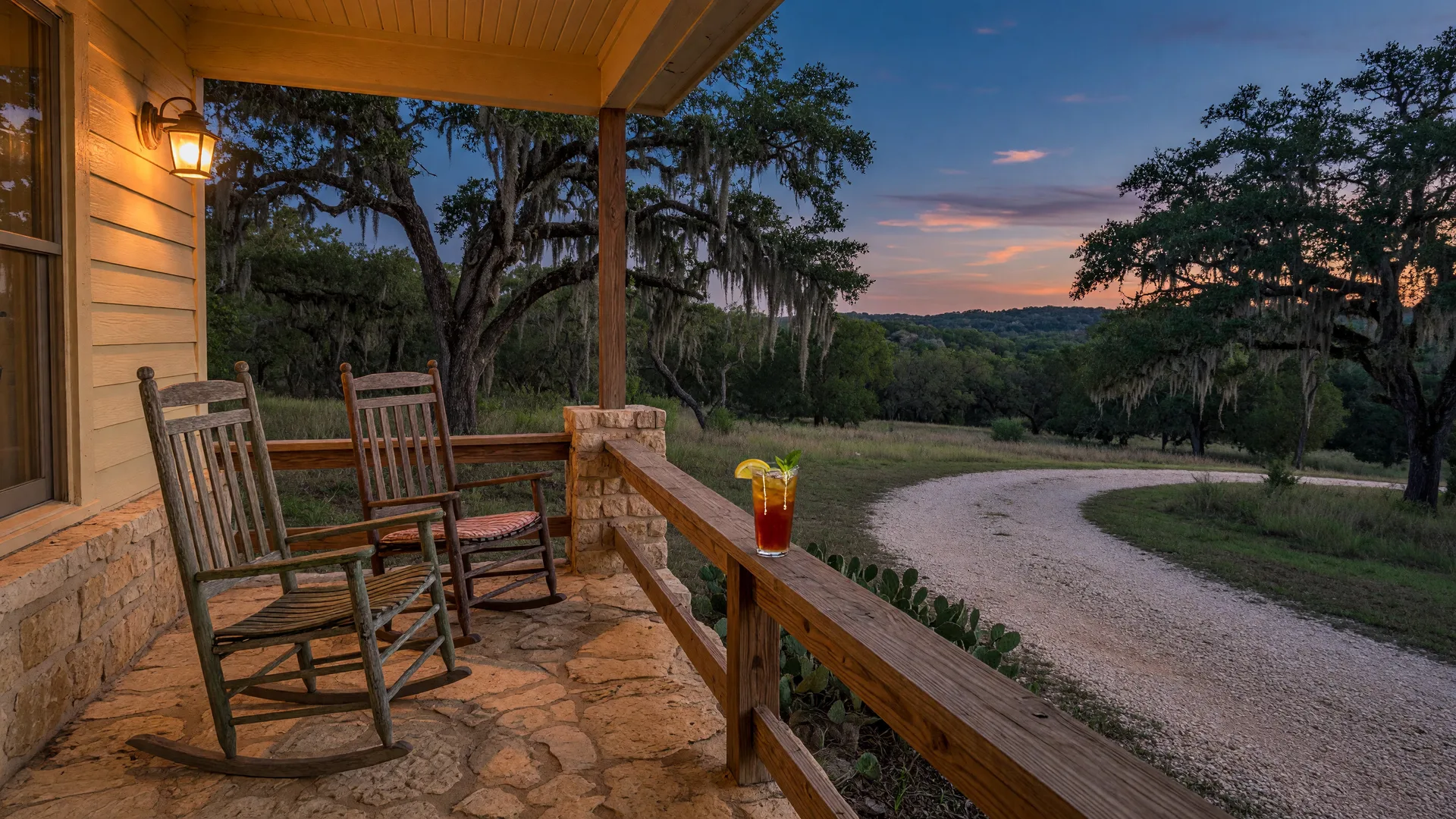
If you are moving from California to the Texas Hill Country, here is the honest version of what to expect socially: people will be warmer to you in your first week than they were to you in your last year in California, and you will still feel lonely for the first several months [1][3]. Both things are true, and neither is a failure on your part.
The reason is that friendliness and friendship are different products. The University of Kansas communication researcher Jeffrey Hall measured how much time friendship actually requires: roughly 50 hours of shared time to move from acquaintance to casual friend, about 90 hours to reach regular friend status, and more than 200 hours to become a close friend [1][2]. For adults who relocated and started from scratch, the bar sits even higher, about 94 hours to a casual friendship, 164 hours to a standard friendship, and 219 hours to a best friendship [1][2][3].
In a dense California neighborhood, the environment quietly pays those hours for you: the dog park, the gym, the pickup line, the sidewalk. In Boerne, Fair Oaks Ranch, and the surrounding Hill Country, the lots are bigger, the drives are longer, and the casual crossings are rarer, so the hours have to be scheduled on purpose [3][4]. This guide is about how to schedule them: the real numbers, the actual places in and around Boerne where newcomers meet people, and a first-year playbook built from what works.
The 200-Hour Rule: What Friendship Actually Costs
Hall's study, published in the Journal of Social and Personal Relationships, tracked how much time spent together it takes for a relationship to cross specific thresholds. The headline finding is that friendship is a quantity problem before it is a chemistry problem: the more hours two people share, the closer they rate each other [1][2]. The study's numbers, for people starting friendships in adulthood after a move, look like this [1][2][3]:
| Friendship stage | Typical time together | Adults who relocated |
|---|---|---|
| Casual friend | About 50 hours | About 94 hours |
| Regular friend | About 90 hours | About 164 hours |
| Close or best friend | More than 200 hours | About 219 hours |
Source: Hall, "How many hours does it take to make a friend?", Journal of Social and Personal Relationships, 2018; summarized by the University of Kansas and the Greater Good Science Center [1][2][3].
Run those numbers against a realistic Hill Country schedule and the picture gets concrete. A two-hour weekly commitment, one recurring activity you attend without fail, produces about 26 hours in three months and about 104 hours in a year [1]. That puts a consistent weekly commitment at casual-friend territory by month three and regular-friend territory around month nine or ten, with close friendship arriving somewhere in year two. A transplant who joins nothing and waits for the environment to deliver is starting a project with zero input hours and wondering why it never produces output.
Two details from the research matter for how you spend those hours. First, the study found that everyday conversation matters as much as the quantity: relationships deepen when talk moves from small talk toward catching up and meaningful exchange [1][2]. Second, the psychologist Marisa Franco, who writes on adult friendship, emphasizes that the people who initiate contact report less loneliness, and new acquaintances actually rate initiators higher, not lower [4]. Both findings point to the same practical rule: the person who schedules the second coffee, asks the follow-up question, and moves the conversation past the weather is the person who builds the 200 hours.
Why Hill Country Social Life Works Differently Than California's
In most California suburbs, adult friendships form through proximity and density. The sidewalk, the dog park, the gym, the school pickup line, the office all generate repeated, unplanned encounters, and research on friendship is clear that proximity plus repetition is the engine [1][4]. You do not have to try very hard because the environment does the scheduling for you.
The Hill Country runs on a different geography. Lots are larger, addresses are farther apart, and nearly every errand is a car trip. The spontaneous crossing of paths that quietly builds friendships in a dense suburb happens a fraction as often here [3][4]. Meanwhile, the existing social circles in Boerne, Fair Oaks Ranch, and the smaller towns are real and often generations deep: people who grew up together, worship together, and send their kids to the same schools [3]. These circles are not exclusionary, they are simply complete. Nobody in them is looking for new friends the way you are, which means you have to enter through a structure rather than drift in through proximity.
The structures that work are the ones that produce repetition in one place. In the Hill Country, the proven channels are:
- A recurring weekly commitment. A class, a volunteer shift, a faith community, a standing coffee table. The specific activity matters less than the fact that you are in the same room with the same people every week [1][4].
- The school community. For families, Boerne ISD campuses generate more social connection than anything else in town. PTO volunteer days, sports practices, and parent groups are where parents actually meet each other, and the Boerne Love guide is built around exactly this [7].
- The neighborhood and the HOA. Newer-construction neighborhoods in Boerne and Fair Oaks Ranch tend to be full of out-of-state buyers in the same boat. The HOA calendar, the block party, the neighborhood group chat are entry points that cost nothing to use. The site's HOA culture guide covers what the rules and fees actually look like when you arrive.
- Volunteer and nonprofit work. Small towns run on volunteers, and volunteers are the most open social circle in the county. A monthly shift somewhere real is a faster route to being known than a year of networking events [8][9][11].
- Interest groups and clubs. The Hill Country Newcomers Club exists precisely to solve this problem, and hobby groups, sports leagues, and the Boerne Family YMCA fill the rest [5][6].
Where Boerne Newcomers Actually Meet People
The good news about a small town is that you do not need a large menu, you need three or four reliable tables. Here are the ones that actually work in Boerne, with the details verified as of October 2026.
The Hill Country Newcomers Club
This is the region's dedicated newcomers organization, a women's club for the Boerne and Hill Country area with a packed calendar of interest groups, social activities, and trips. It meets the second Monday of each month at 10 a.m. at the St. Mark Presbyterian Church Family Life Center, 208 W. Bandera Road, Boerne, and guests are welcome to attend a meeting to learn about joining [5][6]. For a spouse or partner arriving cold, this is the single most direct social on-ramp in the county.
The coffee circuit on the Hill Country Mile
Boerne's Main Street has a genuine coffee culture, and the regulars at each shop form their own unofficial club. Brevity Coffee Co. at 428 W. Bandera Road, Bear Moon Bakery Cafe at 401 S. Main Street, Barker and Wortman Fresh Coffee at 420 W. Bandera Road, and Black Rifle Coffee at 101 S. Main Street are all real, walkable stops where the same faces show up at the same hour [13][14][15][16]. The move that works: pick one, go at the same time three days a week, and let the barista and the regulars do the rest. This is proximity and repetition in its purest form [1].
Volunteer shifts with the town's nonprofits
Boerne is a volunteer town, and the organizations are concrete. Love Kendall County Kids runs an all-volunteer weekend food program for food-insecure children. Hill Country Daily Bread Ministries fights poverty in Boerne and needs onsite volunteers. The Boerne Community Coalition runs events like Karnival 4 Kids and Fill-the-Cart food drives. The Patrick Heath Public Library takes volunteers and the Friends of the Boerne Public Library run the Bookshop Under the Windmill. The city itself lists Adopt-A-Park and other opportunities [8][9][10][11][12]. Out on Boerne Stage Road, Open Trail Ranch does equine therapy and takes volunteers, and Wildlife Rescue & Rehabilitation sits at 40 City Park Road [11]. A twice-monthly shift at any of these puts you in a room of the town's most community-minded people, which is a better first-year social return than almost anything else you can do.
The calendar: festivals, markets, and town nights
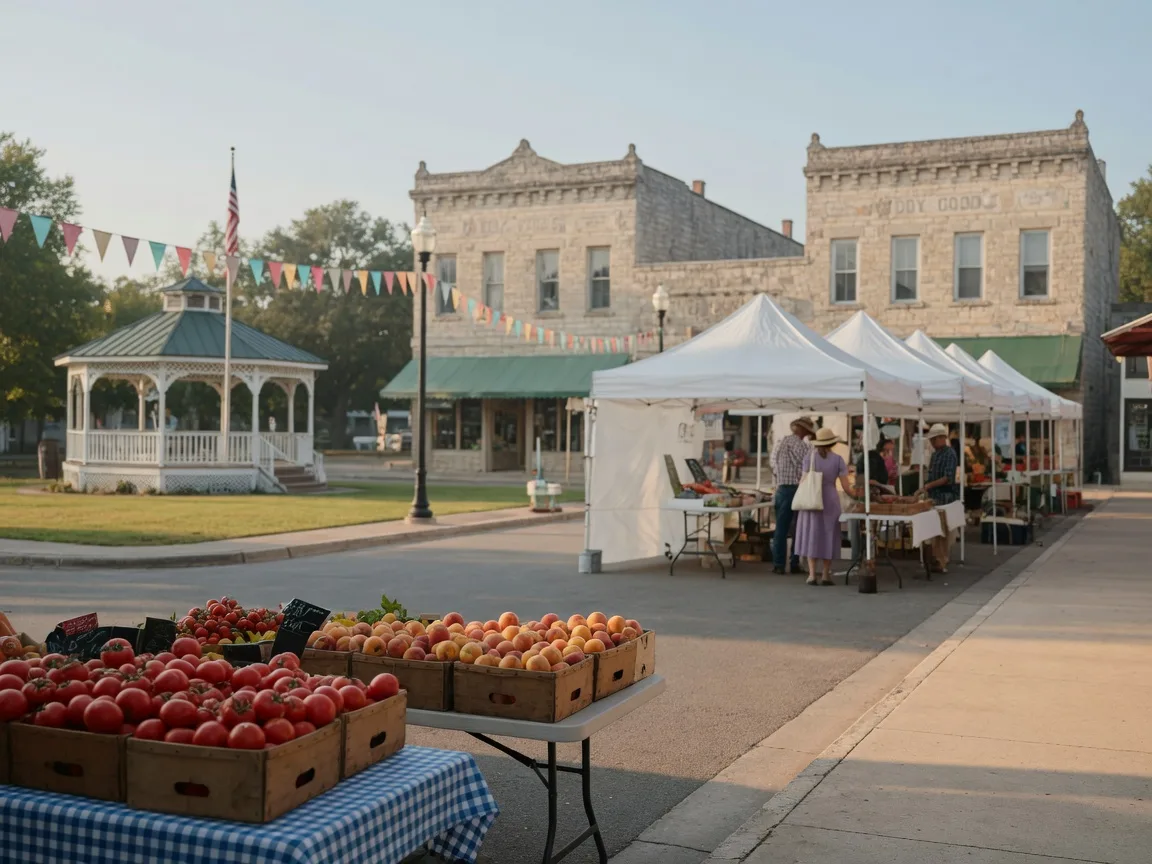
Boerne's event calendar gives you natural, low-pressure places to run into the same people repeatedly: the downtown celebrations, the market days, and the seasonal festivals that this site covers in the Boerne community events guide and the downtown Boerne first-weekend guide. These are where you go to be seen, to say yes to invitations, and to let people learn your name. The monthly social rhythm of the region is covered in the first-year social calendar guide.
The California Connection: Fellow Transplants as a Bridge
One of the most useful social resources in the Hill Country is other Californians, and there are enough of them in Boerne and Fair Oaks Ranch that you will find them without a directory. Newer-construction neighborhoods skew heavily out-of-state, school pickup lines are full of families asking each other where they moved from, and the local Facebook groups reliably produce "us too" responses when someone mentions California [3][4].
Fellow transplants matter because they share context. They understand what it costs to leave a decades-deep social network, a familiar landscape, and a way of life. The friendship that forms with another transplant often accelerates faster than friendship with a native Texan, because the shared experience creates an immediate bond [3]. But the transplants who report the highest satisfaction at the two-to-three-year mark are the ones who built relationships with both groups [4]. A circle made entirely of Californians becomes a bubble that keeps you out of the community you moved here for. The balance that works is a transplant peer group for empathy and shared experience, plus Texas-native friends for local knowledge, the neighborhood network, and the long-term roots that no amount of shared California nostalgia can provide.
The practical way to get both is to stop separating them. The volunteer shift, the school event, the coffee counter, and the newcomers club all contain native Texans and transplants in the same room, and the room does not sort people by origin. Let the California connection get you in the door, and let the structure do the mixing [1][4].
The First 90 Days: A Timeline That Matches the Research
The friendship research translates into a realistic calendar for a transplant, and it does not look like what most people expect. It looks like this [1][2][4]:
Week 1: The friendliness is immediate and overwhelming. The neighbor introduces themselves, the checkout clerk asks where you are from, someone recommends a handyman and a restaurant before you have unpacked. Enjoy it, and recognize it for what it is: hospitality, not intimacy. No friendship hours have been banked yet.
Month 1: The gap between being welcomed and belonging starts to show, and this is the most emotionally vulnerable stretch for California transplants. The research-backed move is to plant the recurring commitment now: join the newcomers club, take a volunteer shift, commit to a coffee shop, find a faith community. At one recurring activity per week, month one banks roughly 8 to 10 hours of the 164-hour ticket to a real friendship [1][5][6][11].
Month 3: With about 26 hours banked, you are at the casual-friend threshold for relocated adults. People at your recurring activity know your name, conversations have moved past small talk, and you may have traded phone numbers [1][2]. This is also the point where many transplants get discouraged, because three months of effort can feel like it should have produced more. It has produced exactly what the research says it should, and the ones who push through are the ones with a real network by month nine [1][4].
Month 6: At a steady two hours a week, you cross roughly 52 hours of shared time, and for adults who relocated that is about halfway to a standard friendship [1][2]. You have had dinner at someone's house or invited someone to yours. You have three to five people you would text about a weekend plan. It is not a deep circle yet, but it is the foundation of one.
Month 12: Around 104 hours in, transplants who maintained the commitment report a genuine local network: casual and regular friendships, an invitation calendar that fills itself, and the first sense that this town is home [1][4]. The close friendships, the 200-hour ones, tend to land somewhere in year two. That timeline is not a failure of the process, it is the process, and it is the same math that built every friendship you have ever had, including the ones you left behind in California [1][2][3].
Eight Rules That Actually Move the Needle
Everything above condenses into a short playbook. These are the rules I give every California buyer who asks the friendship question, and they are the ones that show up consistently in the transplants who are thriving at year two [1][4]:
- Bank hours on purpose. One recurring weekly commitment beats a dozen one-time events. Same place, same time, same people [1].
- Say yes to the first three invitations. The first invitations are the most expensive ones to decline, and they are the ones that start the bank [4].
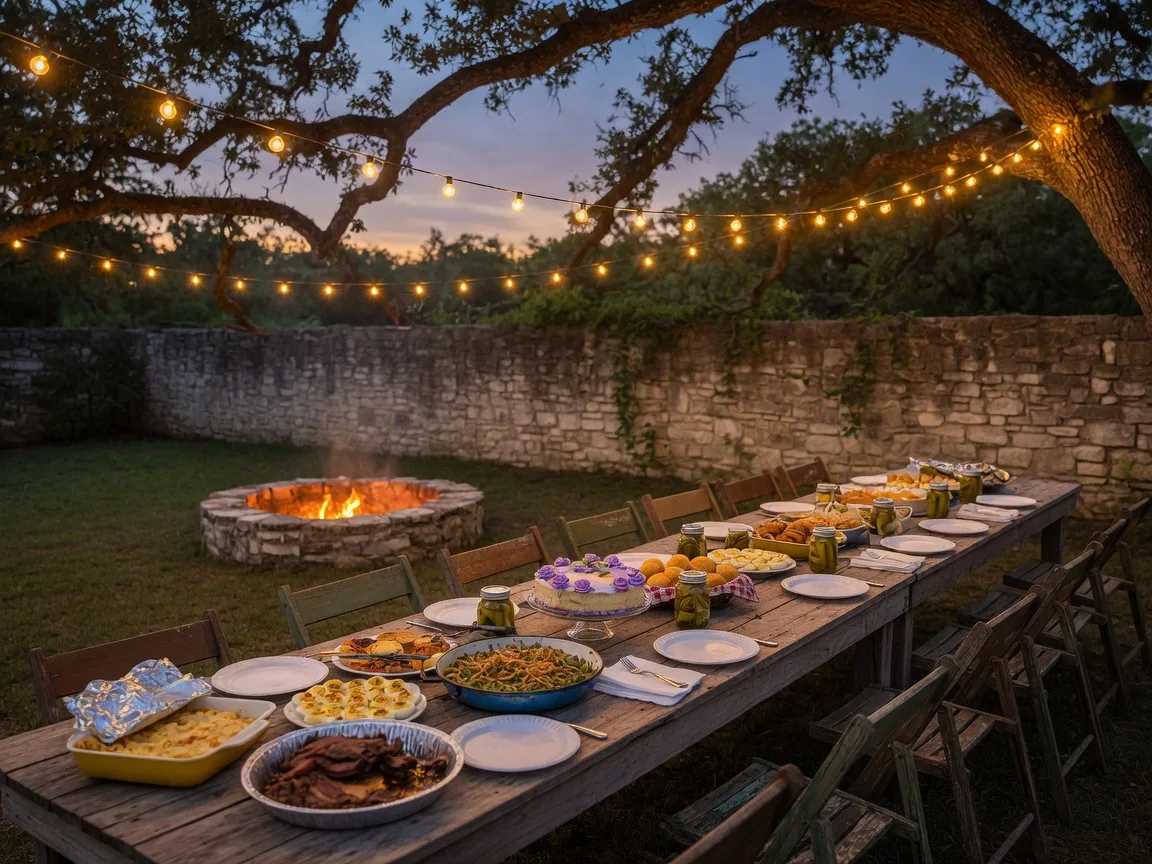
- Host something small within 60 days. Porch coffee, a taco night, a dessert on the patio. Hosting accelerates everything because it converts acquaintances into guests [4].
- Move the conversation past small talk. The research shows everyday talk that turns into catching up and meaningful exchange is what deepens a relationship, not the number of times you complain about the heat [1][2].
- Initiate the follow-up. "Want to grab coffee Tuesday?" costs nothing and is rated positively by the person on the other end. Initiators report less loneliness [4].
- Volunteer for something real. The fastest way to be known in a small town is to be useful. Schools, food programs, the library, the animal shelters, the conservation centers all need hands [8][9][11][12].
- Keep the transplant bridge, but do not live on it. Fellow Californians give you empathy fast; native Texans give you roots. Build both in the same rooms [3][4].
- Give it a year. The math says 200 hours and the calendar says about two years to a close friend. Judge your first year by whether the hours are being banked, not by whether the deep friendships have arrived [1][2].
Two caveats, because honesty is the point of this site. First, none of this requires becoming a joiner in a way that feels fake. One good recurring commitment is enough; the research says frequency beats breadth [1]. Second, the social experience of the first year is connected to everything else you are adjusting to, the heat, the wildlife, the longer drives, the new house rhythm. The site's guides on the first week in the Hill Country, the Texas heat reality, and coexisting with Texas wildlife cover the other layers of that adjustment, and they are worth reading alongside this one.
Plan Your First Year Like You Planned the Move
The families who settle fastest in the Hill Country treat the social life the way they treated the house hunt: as an intentional project with a timeline. They choose one recurring commitment in the first month, they show up even when it is inconvenient, and they accept that the first three months will feel slower than the warmth around them suggests [1][4].
The friendship is coming. It is not a question of whether you will find your people here, it is a question of whether you put in the hours that friendship actually costs [1][2]. If you are in the middle of the move and want a no-pressure conversation about communities, timing, or what the first year really feels like, reach out. A direct conversation is how this whole process works best, and it is also, conveniently, how friendships start.
Written by
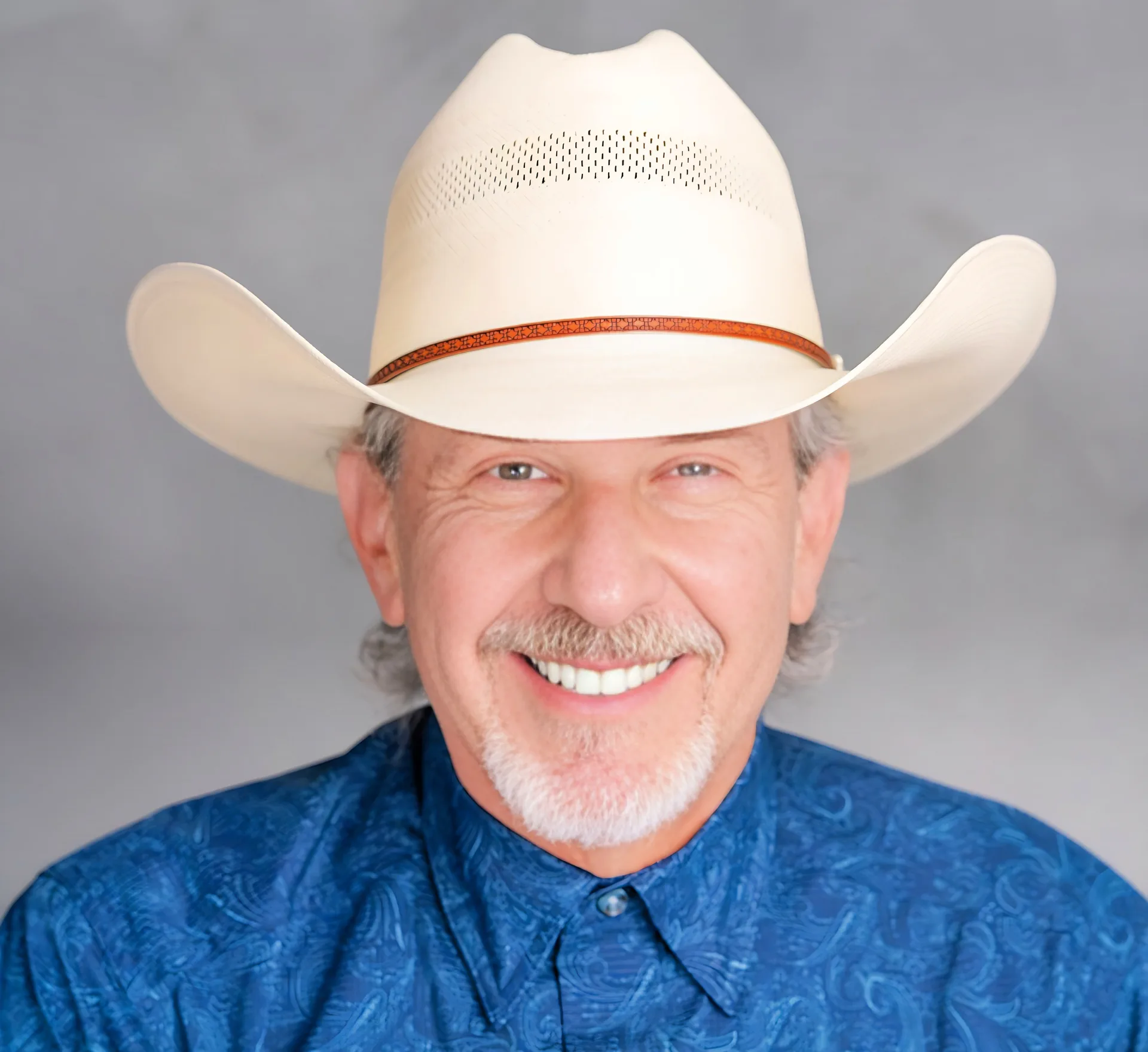
Bill Ross
Hill Country Homesteads Group, brokered by KW Boerne
Bill Ross is a Texas real estate agent specializing in California-to-Texas relocation, drawing on a direct professional network of more than 1,000 California real estate agents for coordinated cross-state transactions. His practice serves Boerne, Fair Oaks Ranch, San Antonio, and the surrounding Hill Country communities.
Related Guides
The Social Calendar Reset
What the Hill Country social calendar actually looks like month by month in year one.
Boerne Community Events Guide
The recurring Boerne calendar, from market days to downtown celebrations, that builds the rhythm.
Downtown Boerne: First Weekend Guide
The Hill Country Mile, the coffee shops, and where the town actually gathers.
Boerne ISD Guide for California Families
How the schools work and why the campus community is the fastest social engine for parents.
Frequently Asked Questions
These are the friendship questions I hear most often from California buyers who have just arrived in the Hill Country. The answers come from the friendship research and from watching what actually works on the ground.
How long does it actually take a California transplant to make close friends in the Texas Hill Country?
The research gives a clearer answer than most people expect. The University of Kansas study on friendship formation found it takes roughly 50 hours of shared time to become casual friends, about 90 hours to become regular friends, and more than 200 hours to become close friends. For adults who relocated and were starting from scratch, the thresholds were higher: about 94 hours to a casual friendship, 164 hours to a standard friendship, and 219 hours to a best friendship [1][2][3]. At a realistic two-hour weekly commitment, that is roughly six months to reach regular friend status and about two years to a close friend. Transplants who schedule that time on purpose hit the milestones; transplants who wait for proximity generally do not [4].
Is it easier to make friends in Boerne or in San Antonio?
Both have trade-offs. Boerne and the smaller Hill Country towns give you a compact, high-visibility community: show up to the same coffee shop, volunteer shift, or school event a few times and people will know your name. The circles that already exist are deeper and often decades old, so breaking in takes intention, but the friendships that form tend to last. San Antonio offers far more raw entry points, from Meetup groups and professional networks to fitness classes and cultural events, but the relationships can stay more transactional because nobody needs you. The transplants who integrate fastest usually pick one anchor community in their own town first, then layer in San Antonio for hobbies that Boerne cannot support [3][4].
What is the single best first step in the first month?
Choose one recurring commitment that puts you in the same place at the same time every week. The specific activity matters less than the repetition: a weekly shift at a nonprofit like Love Kendall County Kids or Hill Country Daily Bread Ministries, a standing table at a local coffee shop, a class at the Boerne Family YMCA, a church small group, or the Hill Country Newcomers Club, which meets the second Monday of each month at 10 a.m. at St. Mark Presbyterian Church in Boerne and welcomes guests [5][6][11]. One-time events are enjoyable but rarely produce lasting connections on their own. Repetition is the mechanism that turns a friendly stranger into a friend [1][4].
Do California transplants tend to cluster together, or integrate with native Texans?
Both happen, and the transplants who are happiest at the two-year mark usually have a mix. Boerne and Fair Oaks Ranch have enough West Coast arrivals that you will meet fellow Californians organically, through school pickup lines, newer-construction neighborhoods, and local Facebook groups. Fellow transplants offer shared context and fast rapport. But a circle made only of transplants becomes a bubble that keeps you out of the community you moved to. The pattern that works best is a transplant peer group for empathy, plus Texas-native friends for local knowledge and long-term roots. You can find both in the same volunteer shifts and school events [4][7].
What is the biggest mistake California transplants make socially in year one?
Waiting. In California's denser neighborhoods, friendships often form through casual proximity, the dog park, the gym, the school pickup line, and the environment does part of the work. In the Hill Country, lots are larger, drives are longer, and the day-to-day routine produces far fewer spontaneous crossings of paths [3][4]. The transplants who struggle are the ones who expect friendship to happen to them. The ones who thrive treat social integration like the house hunt: an intentional project with a timeline. They join something in the first month, introduce themselves to neighbors, accept invitations they would normally decline, and accept that the first several months will feel slower than the friendliness around them suggests [4].
Sources
- Study reveals how many hours it takes to make a friend: University of Kansas news, March 2018. news.ku.edu/news/article/2018/03/06/study-reveals-number-hours-it-takes-make-friend
- How many hours does it take to make a friend?: Jeffrey A. Hall, Journal of Social and Personal Relationships (2018). journals.sagepub.com/doi/full/10.1177/0265407518761225
- How Long Does It Take to Make a Friend?: Greater Good Science Center, UC Berkeley. greatergood.berkeley.edu/article/item/how_long_does_it_take_to_make_a_friend
- How to Make Friends in a New City: Dr. Marisa G. Franco, psychologist and author of Platonic. drmarisagfranco.com/how-to-make-friends-in-a-new-city/
- Hill Country Newcomers Club, Boerne: membership, interest groups, and events: HillCountryNewcomers.com. www.hillcountrynewcomers.com/
- Hill Country Newcomers Club meetings: second Monday, 10 a.m., St. Mark Presbyterian Church Family Life Center, 208 W. Bandera Road, Boerne; guests welcome: HillCountryNewcomers.com, meetings page. www.hillcountrynewcomers.com/meetings.html
- Boerne Love: Get Involved Locally guide, women's networking groups, and school PTO guides: BoerneLove.org. www.boernelove.org/get-involved-locally
- Boerne Community Coalition: volunteer events including Karnival 4 Kids, Fill-the-Cart food drives, and the LOVE Kendall County Kids lunch program: BoerneCommunityCoalition.com. www.boernecommunitycoalition.com/volunteer.html
- City of Boerne volunteer opportunities, including Adopt-A-Park and library volunteers: City of Boerne, TX. www.ci.boerne.tx.us/231/Volunteer-Opportunities
- City of Boerne nonprofit organizations directory: City of Boerne, TX. www.ci.boerne.tx.us/942/Nonprofit-Organizations
- 2025 volunteer guide: Boerne-area nonprofits from Love Kendall County Kids to Wildlife Rescue & Rehabilitation: Community Impact. communityimpact.com/san-antonio/nonprofit/2025-volunteer-guide-how-to-help-these-local-nonprofits-across-the-boerne-area/
- 13 volunteer opportunities in Boerne: The Boerne Life. theboernelife.com/volunteer-opportunities-in-boerne/
- Black Rifle Coffee Boerne, 101 S Main St: Black Rifle Coffee Boerne. linktr.ee/brccboerne
- Brevity Coffee Co., 428 W Bandera Rd, Boerne: Brevity Coffee Co.. brevitycoffee.com/
- Bear Moon Bakery Cafe, 401 S Main St, Boerne: Bear Moon Bakery. bearmoonbakery.com/
- Barker and Wortman Fresh Coffee, 420 W Bandera Rd, Boerne: Barker and Wortman Fresh Coffee. bwcoffee.net/
Last reviewed: October 30, 2026. The friendship-hour thresholds come from the University of Kansas study published in the Journal of Social and Personal Relationships (2018) [1][2]. Newcomer club meeting details, volunteer organizations, and coffee shop addresses were verified against the organizations' own sites and listings in October 2026 [5][6][7][8][9][10][11][12][13][14][15][16]. Meeting times, locations, and volunteer calendars change, so confirm before you go.