

If you are moving from California to the Texas Hill Country, you have researched the mortgage math, the property tax comparison, and the school ratings. But there is one important question that many relocators do not ask until they need an answer: who is going to be my doctor in Texas, and how do I actually get established with one?
The short answer is that finding a doctor in the Hill Country takes planning, especially if you have an ongoing relationship with specialists in California. The good news is that the San Antonio region and the surrounding Hill Country offer strong healthcare infrastructure, and a few practical steps before you move can prevent a gap in care that nobody wants to discover in a moment of need.
Step One: Your Insurance Does Not Cross the Border
This is the most common misunderstanding I hear from clients. Many assume their California health insurance will simply follow them to Texas. The reality depends entirely on the type of plan you carry: [1]
- Employer-sponsored PPO: If you have a Preferred Provider Organization plan through a large employer, it may provide out-of-network coverage in other states. But out-of-network benefits typically mean higher deductibles, higher copays, and balance billing risks. Some large national PPOs do have in-network providers in Texas, but the network may be thinner than what you are used to in California.
- Employer-sponsored HMO: Almost certainly does not cover care outside your plan's geographic service area, which is usually limited to the county or region where you enrolled. Your HMO will not pay for a doctor visit in Texas unless it is a life-threatening emergency.
- Covered California (ACA) plan: Does not transfer to Texas. Covered California policies are specific to California. You must enroll in a new plan through HealthCare.gov, the federal marketplace, after your move.
- Medicare: Original Medicare (Parts A and B) works nationwide, so you can see any Medicare-participating provider in Texas. Medicare Advantage plans are network-based and may not cover you outside their local service area. If you have a Medicare Advantage plan in California, check whether it has a Texas network or switch to a Texas-based Medicare Advantage plan during open enrollment or a special enrollment period. [2]
- Medi-Cal (California Medicaid): Does not work in Texas. Medi-Cal is a California-specific program. Texas has its own Medicaid program, which operates under significantly stricter eligibility rules. Texas has not expanded Medicaid under the ACA, so coverage is generally limited to children, pregnant women, the disabled, and very low-income parents of minor children. [3]
Here is what you need to do before you move: call your current insurer or your employer's benefits department and ask, in writing, what coverage you will have once you physically reside in Texas. If the answer is "none" or "out-of-network only," you need a replacement plan.
Step Two: You Are Eligible for a Special Enrollment Period
A permanent move to a new state qualifies you for a Special Enrollment Period (SEP) on the federal health insurance marketplace. Under federal rules, you have a 60-day window before or after your move to enroll in a new plan through HealthCare.gov. [4]
To qualify under the "permanent move" SEP, you must have had minimum essential coverage for at least one day during the 60 days before your move. If you were uninsured, the SEP may not apply through the move exception, though you may qualify through other circumstances such as loss of coverage. [4]
Unlike California, which operates its own state-based exchange (Covered California), Texas uses the federal marketplace. The open enrollment period for 2027 marketplace plans runs from November 1, 2026 through January 15, 2027. If your move falls outside that window, the SEP is your path to coverage. [5]
Sixteen insurers offer marketplace plans in Texas through HealthCare.gov, giving you meaningful competition and choice, particularly in the San Antonio and Bexar County service areas. [5] Plans are categorized as Bronze, Silver, Gold, and Platinum, with premium subsidies available based on household income.
Step Three: Finding a Primary Care Doctor in the Hill Country
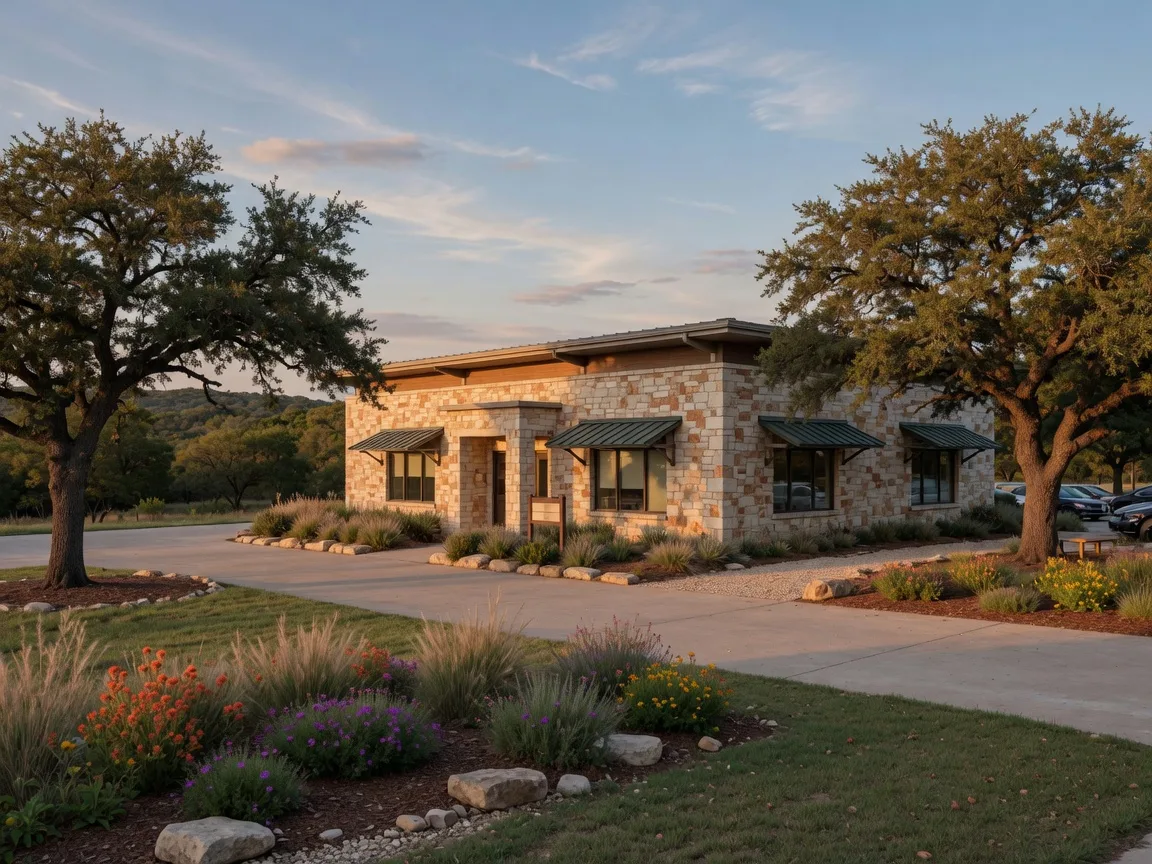
Once you know what insurance plan you will have, the next step is finding a primary care provider who is accepting new patients. This is where relocators to the Hill Country often hit their first snag. Primary care capacity in fast-growing areas like Boerne, Fair Oaks Ranch, and northern San Antonio can be tight. Some clinics have wait times of several weeks for new patient appointments. [6]
Here is how most California relocators approach it in practice:
- Use the insurer's provider directory. Every marketplace plan and most employer plans offer an online "Find a Doctor" tool. Blue Cross Blue Shield of Texas, for instance, has a Provider Finder that shows in-network primary care physicians by ZIP code and distance. [7] Type in your new Boerne, Fair Oaks Ranch, or San Antonio ZIP code and start calling.
- Call, do not just search. Provider directories are not always up to date. A doctor listed as accepting new patients may not be. Call the office, ask directly whether they are accepting new patients, whether they take your specific plan, and what the wait time is for a new patient appointment. [6]
- Consider direct primary care. A small but growing number of Hill Country physicians offer direct primary care (DPC) memberships, where you pay a flat monthly fee for primary care visits without involving insurance. DPC practices typically have much smaller patient panels and can offer same-day or next-day appointments. The monthly fee ranges from $50 to $150 depending on age and services. [8]
- Start before you arrive. If you know your move date, start calling primary care offices 30 to 60 days ahead. The worst time to find a doctor is after you run out of your California medication or after an urgent health issue arises.
The Boerne area currently has several family medicine and internal medicine practices, with new providers opening regularly as the population grows. Baptist Health System is building the first acute care hospital in Boerne at I-10 and Highway 46, which will include outpatient services and imaging, expected to relieve some of the pressure on local primary care. [9]
The Hospital Systems You Need to Know
The Texas Hill Country and San Antonio are served by four major hospital systems, each with a different footprint and specialty focus. Understanding which system your insurance plan contracts with helps you narrow your provider search. [10][11]
| System | Flagship Hospital | Hill Country Coverage |
|---|---|---|
| Baptist Health System (HCA) | Baptist Medical Center (downtown San Antonio) | Building new Boerne hospital at I-10/Highway 46; five San Antonio hospitals |
| Methodist Healthcare System | Methodist Hospital (Medical Center area) | Methodist Stone Oak (closest to Boerne/Fair Oaks); acquired Hill Country Memorial in Fredericksburg in 2023 |
| CHRISTUS Santa Rosa | CHRISTUS Santa Rosa Hospital - Medical Center | Multiple San Antonio locations; robust network |
| University Health System | University Hospital (partnership with UT Health San Antonio) | Level I trauma center; network of outpatient clinics |
| Peterson Health | Peterson Regional Medical Center (Kerrville) | 18 locations across 9 Hill Country counties; independent, nonprofit |
For Boerne and Fair Oaks Ranch residents specifically, here is how proximity typically works: [12]
- Emergency care: The nearest emergency room is currently approximately 15 to 20 minutes south on I-10 at Methodist Stone Oak Hospital at Loop 1604. Boerne has a freestanding emergency department (Baptist Emergency Center Boerne) that can handle most urgent needs but is not a full acute care hospital. Baptist's new Boerne hospital is under construction but not yet operational. [9]
- Specialty care: Most specialists are based in San Antonio's Medical Center area or in the Stone Oak corridor. The drive from Boerne to Stone Oak is 20 to 30 minutes on I-10. From Fair Oaks Ranch, it is typically 15 to 25 minutes.
- Routine care: Primary care, pediatrics, and basic specialty services are available in Boerne itself, with more options opening each year.
What About Specialists and Ongoing Treatment?
If you are managing a chronic condition, undergoing active treatment, or have an established relationship with a specialist in California, the transition requires particular attention. Here are the categories that most often concern relocators: [13]
- Oncology: The San Antonio area has strong cancer care through UT Health San Antonio MD Anderson Cancer Center (a partnership with Houston's MD Anderson), Methodist Cancer Center, and CHRISTUS Santa Rosa. Most major treatment protocols are available locally. If you are in active treatment, establish a relationship with a Texas oncologist before you move. Your California oncologist can help with referrals and medical record transfer.
- Cardiology: Multiple cardiology groups serve the Hill Country, with clinics in Boerne, Stone Oak, and the Medical Center. Methodist and Baptist both have interventional cardiology programs. Wait times for new patient appointments can range from two to six weeks depending on the practice.
- Orthopedics and sports medicine: The Hill Country has strong orthopedics, serving a population that tends to be active. The San Antonio Orthopaedic Group and other large practices have multiple locations, including in the Boerne area.
- Mental and behavioral health: This is the category where access is thinnest. Finding a psychiatrist or therapist in the Hill Country who accepts insurance and is taking new patients can take weeks or months of searching. Telehealth options from Texas-based providers help, but the supply-demand imbalance is real. Start the search early.
- Pregnancy and maternal care: OB-GYN providers are available in Boerne and San Antonio. Methodist Stone Oak has a well-regarded birthing center. Some women choose to deliver in San Antonio hospitals regardless of where they live. [14]
If you are taking prescription medications, make sure you have a sufficient supply to cover the gap between your last California appointment and your first Texas appointment. Most California insurers will not refill a prescription once your Texas address is on file. Before you move, request a 90-day supply of all maintenance medications through your California pharmacy if your plan allows. [15]
Telehealth: Your Bridge During the Transition
Telehealth has become a critical tool for relocators. During your transition period, many Texas-based healthcare systems offer virtual urgent care or virtual primary care appointments that can be accessed from anywhere, including while you are still in California. These services can: [16]
- Provide acute care for minor illnesses (sinus infections, colds, rashes, UTIs)
- Prescribe maintenance medications on a short-term basis
- Refer you to an in-network specialist in Texas
- Establish a patient-provider relationship that can transition to in-person care after you move
Baptist Health System, Methodist Healthcare, and others in the San Antonio area offer telehealth platforms. Most marketplace health plans include telehealth benefits with lower copays than in-person visits. [16]
A point worth noting: make sure the telehealth provider is licensed in Texas. A California physician cannot prescribe controlled substances in Texas through telehealth without a Texas license, and insurance coverage differs when the provider is licensed in a different state. [16]
Urgent Care and Emergency Services: What Is Available
Until the new Boerne hospital opens, urgency and emergency care in the Hill Country follows a tiered model that every relocator should understand: [12]
- Freestanding emergency departments: Baptist Emergency Center Boerne (at I-10 and Johns Road) is a full-service emergency department that is not attached to a hospital. It can handle heart attacks, strokes, broken bones, and serious infections, and has on-site imaging and lab services. Patients requiring admission are transported by ambulance to a Baptist Health System hospital in San Antonio.
- Urgent care centers: Boerne has multiple urgent care options (including Care Now, NextCare, and Baptist Urgent Care) that handle sprains, fevers, cuts, and minor infections at a fraction of the emergency room cost. Urgent care is appropriate for non-life-threatening issues and is generally covered by most health plans.
- Hospital emergency rooms: For life-threatening emergencies, the closest full-service hospital emergency rooms are Methodist Stone Oak (approximately 15 minutes from Fair Oaks Ranch, 20 from central Boerne) and the hospitals in San Antonio's Medical Center area (approximately 35 to 45 minutes depending on traffic).
If you have a known health condition that could require emergency hospital admission, knowing which hospital your insurance plan contracts with before you need it is worth the time it takes to confirm.
A Practical Timeline for Healthcare Transition
Here is a timeline that works for most relocators: [17]
- 60 days before your move: Contact your current insurer or employer. Confirm what coverage, if any, you will have after relocation. If you will lose employer coverage due to the move, confirm your COBRA eligibility as a backup option.
- 45 days before your move: Fill a 90-day supply of all maintenance medications if your plan and state regulations allow. Transfer medical records from your California providers. Many offices now offer patient portal downloads that let you export your complete record as a PDF. Request physical copies of imaging discs for any recent scans.
- 30 days before your move: Start calling primary care offices in your target Texas ZIP code. Ask about new patient availability, insurance acceptance, and wait times. If you need a specialist, start that search at the same time.
- On or after your move date: Enroll in a Texas health plan through HealthCare.gov (if you are not covered by an employer plan that extends to Texas). You have a 60-day SEP window starting on your move date. [4]
- Within 30 days of arriving: Schedule your new patient appointment. Even if the appointment is several weeks out, having it on the calendar removes the uncertainty. Verify again with the office that they accept your specific insurance plan.
- Within 90 days of arriving: Find a Texas pharmacy and transfer any standing prescriptions. Register with a local urgent care center so you have a known clinic for minor health needs.
Frequently Asked Questions
Will my California health insurance work in Texas after I move?
It depends on the plan type. Most employer-sponsored HMO plans do not cover care outside their geographic service area. PPO plans may offer out-of-network coverage, but at higher deductibles and copays with balance-billing risk. Covered California marketplace plans do not transfer to Texas. Original Medicare works nationwide, but Medicare Advantage plans are network-based. Call your insurer before your move and get the answer in writing. [1]
How do I get health insurance in Texas after moving from California?
A permanent move to a new state qualifies you for a 60-day Special Enrollment Period on the federal HealthCare.gov marketplace. Texas uses the federal marketplace rather than a state-based exchange like California's Covered California. If your employer provides a plan that extends to Texas, you may not need the marketplace. Sixteen insurers offer plans in Texas through HealthCare.gov, giving you meaningful choice in most areas. [4][5]
How long does it take to get a primary care appointment in Boerne or Fair Oaks Ranch?
New patient appointment wait times vary by practice and season. In the Boerne and Fair Oaks Ranch area, many primary care offices report wait times of two to six weeks for new patients. Some direct primary care practices offer same-week appointments. The key is to start calling before you arrive. If you need care sooner, urgent care centers in Boerne can handle most non-emergency needs, and telehealth can provide a bridge for medication management. [6][8]
Can I use California Medi-Cal in Texas?
No. Medi-Cal is a California-specific program and does not cover medical care in Texas. Texas has its own Medicaid program with significantly stricter eligibility rules. Texas has not expanded Medicaid under the ACA, so coverage is generally limited to children, pregnant women, the elderly, disabled individuals, and very low-income parents of minor children. If you currently qualify for Medi-Cal, you will need to explore marketplace coverage through HealthCare.gov, where premium subsidies are available based on income. [3]
What if I am in active medical treatment when I move to Texas?
If you are undergoing treatment for a serious condition, establish a relationship with a Texas specialist before you move. Ask your California physician for a referral to a Texas colleague and arrange for complete medical record transfer, including imaging and pathology reports. The San Antonio area has strong specialty care through UT Health San Antonio MD Anderson Cancer Center, Methodist Hospital, and CHRISTUS Santa Rosa. Consider keeping your California insurance through COBRA for a transitional period if your employer offers it, so you have coverage during the handoff. [13]
Sources
- [1] HealthCare.gov, "How to get or stay covered if you move." healthcare.gov/coverage-outside-open-enrollment/special-enrollment-period/
- [2] Medicare.gov, "Moving out of or into another state." medicare.gov/medicare-and-you/moving-out-of-or-into-another-state
- [3] Texas Health and Human Services, "Medicaid in Texas." hhs.texas.gov/services/health/medicaid
- [4] HealthCare.gov, "Special Enrollment Period: Moving to a new state." healthcare.gov/coverage-outside-open-enrollment/special-enrollment-period/
- [5] HealthInsurance.org, "Texas health insurance marketplace: 2026 guide." healthinsurance.org/aca-marketplace/texas/
- [6] Blue Cross Blue Shield of Texas, "Find a Doctor and More." bcbstx.com/find-care/find-a-doctor-or-hospital
- [7] BCBSTX, "Provider Finder." bcbstx.com/find-care/find-a-doctor-or-hospital
- [8] DPC Coalition, "What is Direct Primary Care?" dpcare.org/about-dpc
- [9] Community Impact, "Building Boerne Baptist: Site work begins on acute care hospital." communityimpact.com/san-antonio/boerne-fair-oaks-ranch/health-care/2025/12/19/building-boerne-baptist-site-work-begins-on-acute-care-hospital-and-medical-office/
- [10] CauseIQ, "San Antonio hospital systems directory." causeiq.com/directory/hospital-systems-list/san-antonio-new-braunfels-tx-metro/
- [11] Texas Happens, "What Are the Major Hospitals in San Antonio?" texashappens.com/what-are-the-major-hospitals-in-san-antonio/
- [12] Move to Texas, "Texas Hill Country Healthcare Guide." movetotexas.net/healthcare/
- [13] TriageCancer, "Moving and a New State: New Rules for Health Insurance." triagecancer.org/moving-and-medicaid-new-state-new-rules
- [14] Dignity Health, "Methodist Stone Oak Hospital Maternity." sahealth.com/locations/methodist-stone-oak-hospital
- [15] FDA, "Tips for Taking Medications When You Travel or Move." fda.gov/drugs/safe-disposal-medicines/taking-medicines-when-traveling
- [16] Texas Medical Association, "Telemedicine in Texas: What Patients Should Know." texmed.org/telemedicine/
- [17] Peterson Health, "Peterson Health Services." petersonhealth.com
Last reviewed: August 2026. Insurance coverage, provider availability, and plan options vary by insurer, employer, and individual circumstances. Consult a licensed health insurance agent and qualified healthcare provider for guidance specific to your situation.